
If you are looking for the best places to see wildlife in the UK, you’ll love this guide to the best places and seasons to see the UK’s most iconic wildlife. David Attenborough’s 100th birthday in 2026 felt like the perfect time to reflect on all the wildlife experiences that UK has to offer. If you are looking for the best places to see wildlife in the UK, this seasonal British wildlife guide highlights 10 iconic UK wildlife experiences, from puffins and red squirrels to dolphins, red kites and grey seal pups, with practical tips on where to go and when to visit for the most memorable wildlife watching.
This guide to the top 10 iconic UK wildlife experiences will cover:
This post contains affiliate links, at no extra cost to you. I may earn a small commission if you click through and make a purchase.
Why the UK is great for wildlife watching day trips
The UK is host to a wide range of habitats and landscapes that make it perfect for wildlife watching. As an island nation the coast and sea is never far away meaning you can easily see sea birds and mammals as well as wildlife that enjoys the mountains and plains. The UK is also a handy stop off for migrating birds which also means it can offer some unique visitors too.
10 iconic UK wildlife experiences and the best time to see them
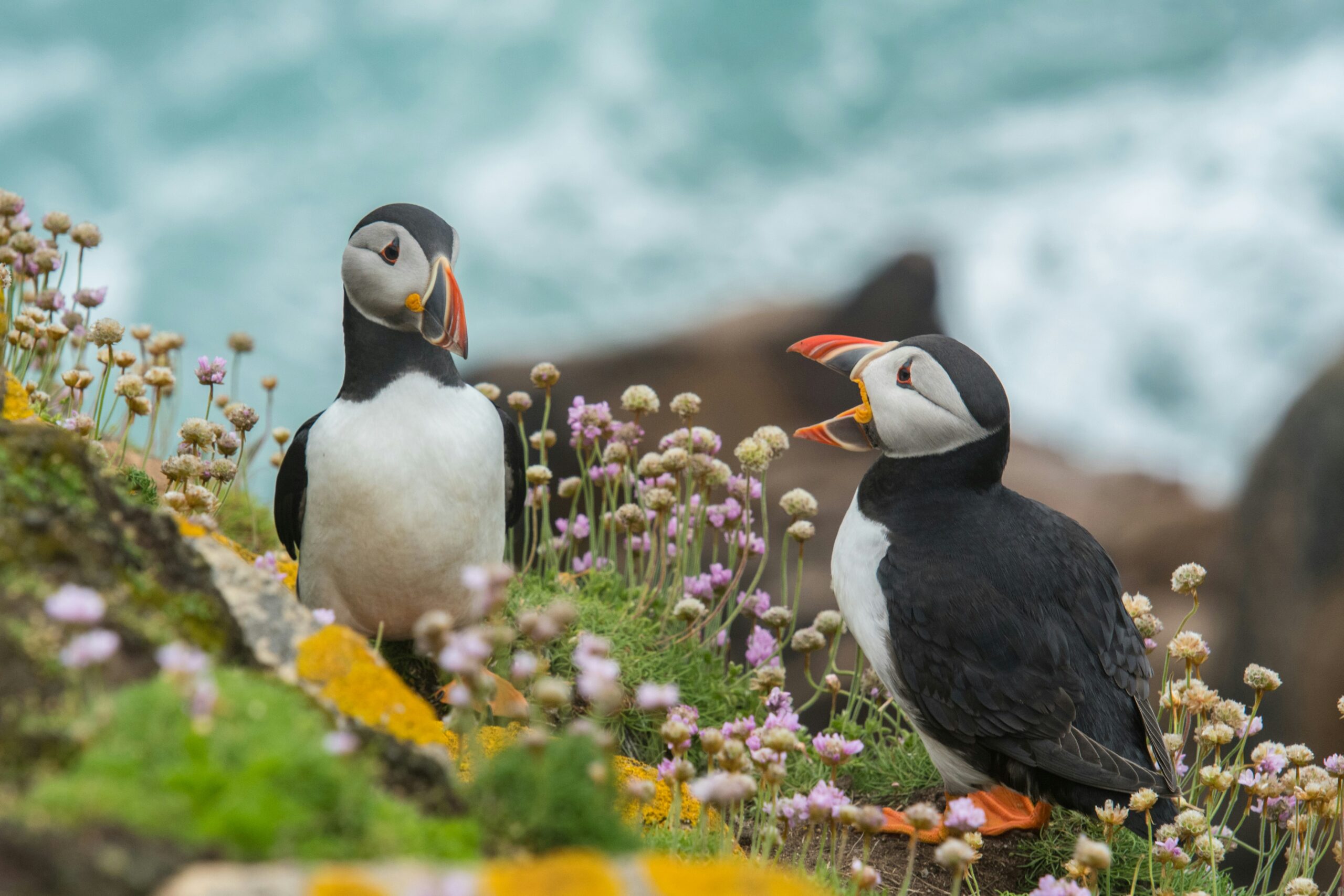
1. Puffins on island cliffs
Why plan a trip to see Puffins? – With their enormous, colourful beaks Puffins are one of the UK’s most joyful wildlife sights, especially when they return to their breeding burrows with beaks full of sand eels.
The best places to see Puffins – For the classic close-up experience, plan a spring or early-summer boat trip to Skomer in Pembrokeshire, Lundy in the Bristol Channel, or the Farne Islands in Northumberland.
The best time to see Puffins – The most spectacular window is usually May to July, when the birds are ashore, pairs are nesting, and the cliffs are alive with seabird noise and colour.
Why not try this highly recommended Farne Islands boat tour:
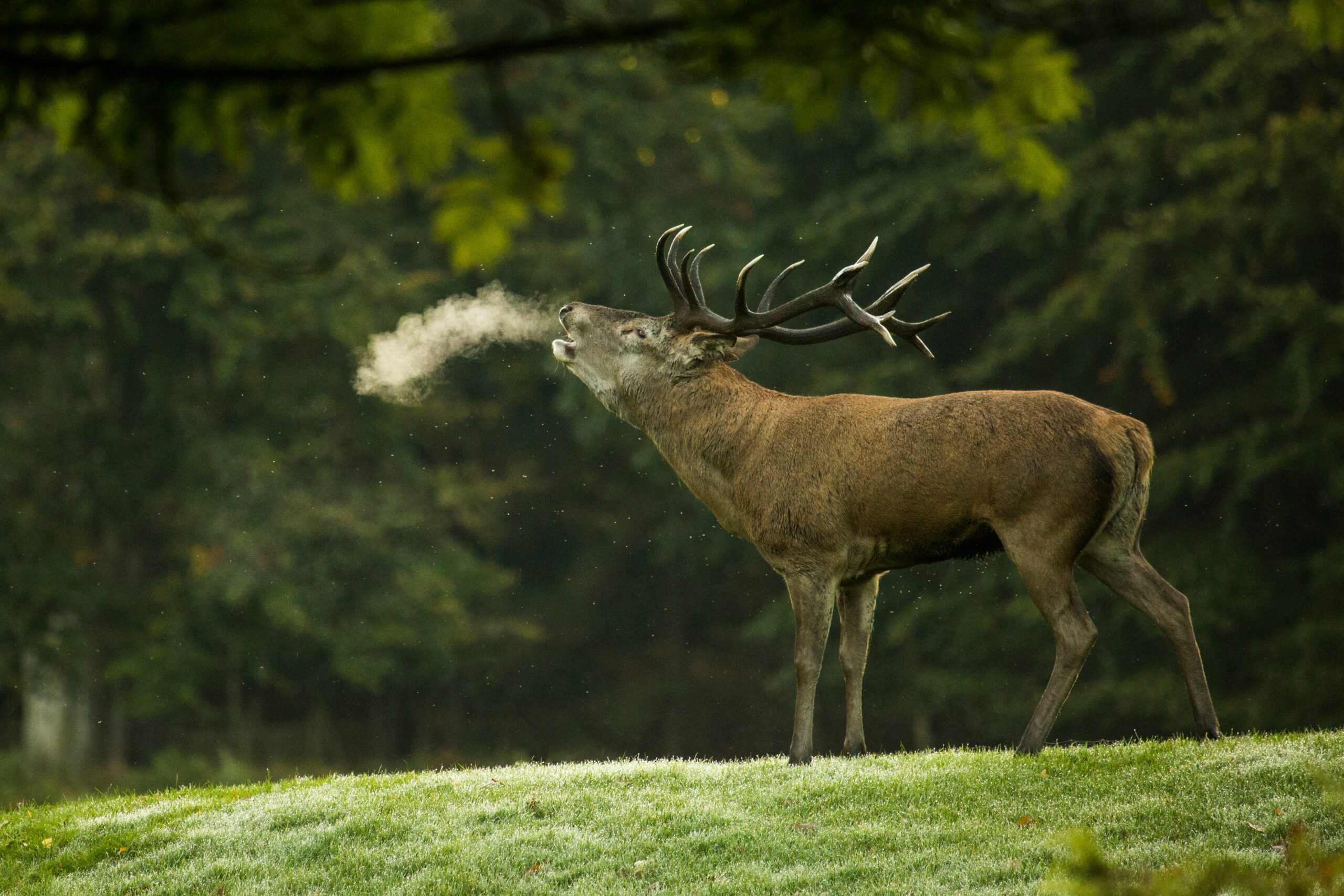
2. The deer rut
Why plan a trip to see the deer rut? – The autumn deer rut is one of Britain’s great natural dramas, when stags roar, posture and sometimes clash antlers as they compete for dominance.
The best places to see the deer rut – Richmond Park in south west London is one of the easiest places to watch from a respectful distance, while the New Forest, Exmoor and the Scottish Highlands offer wilder, more atmospheric settings.
The best time to see the deer rut – Go from late September to early November, with October often the peak month, and visit around dawn or dusk for the most memorable light and activity.
If you are in London and then this e-bike tour to Richmond Park will give you the best chance of seeing deer up close and take in other scenic parts of south west London:
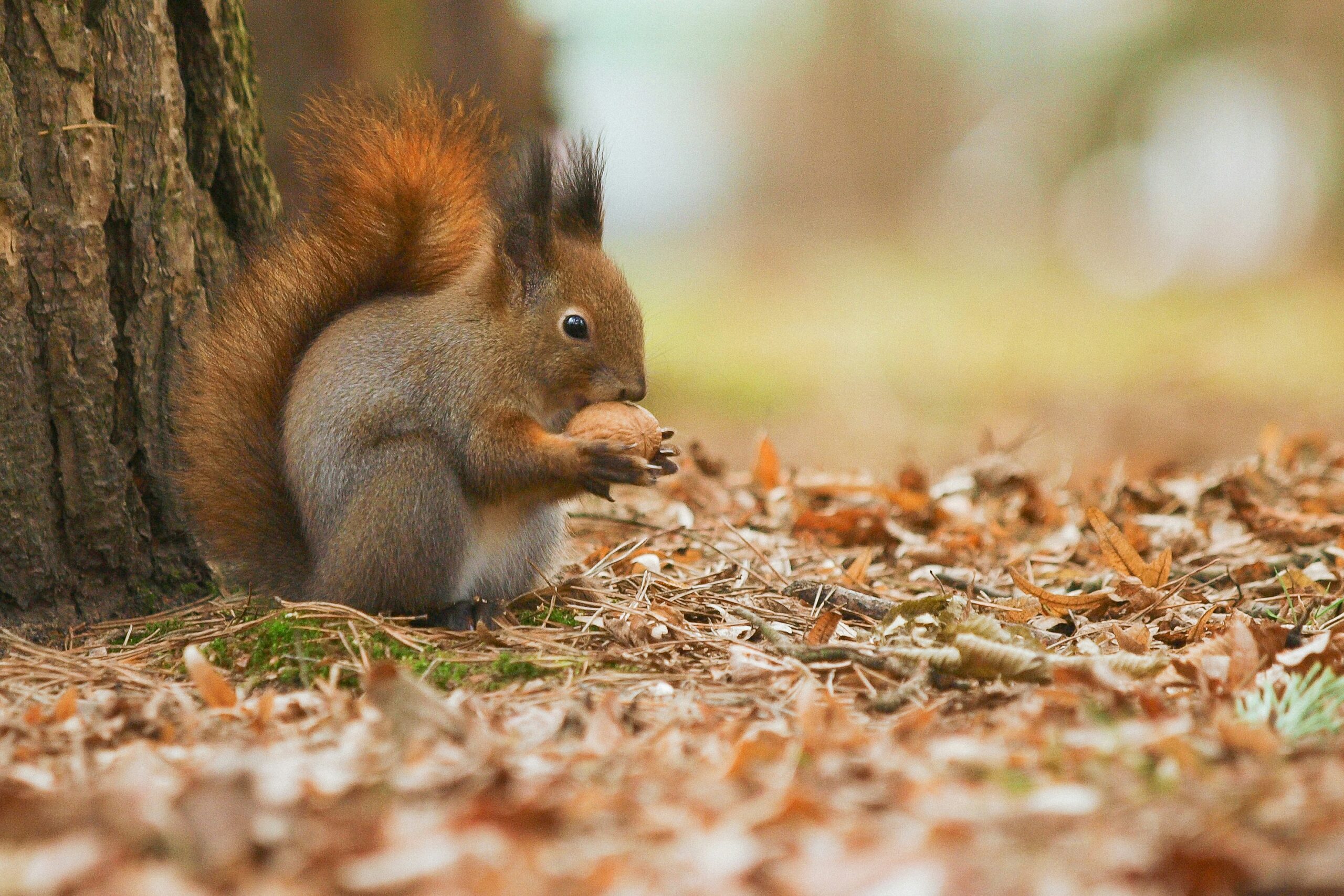
3. Red squirrels
Why plan a trip to see red squirrels? – Native red squirrels are one of the UK’s most treasured woodland encounters, and they feel especially magical in places where they still thrive without competition from grey squirrels.
The best places to see red squirrels – Formby near Poole in Dorset, Formby on the Lancashire coast, the Isle of Wight and the Caledonian pine forests of the Cairngorms are all rewarding options for red squirrel watching.
The best time to see red squirrels – Red squirrels can be seen year-round, but autumn is particularly photogenic, when they are busy caching food among golden leaves and are easier to spot in the trees.
This trip from Aberdeen combines sightseeing with wildlife watching in the Cairngorms and comes highly rated:
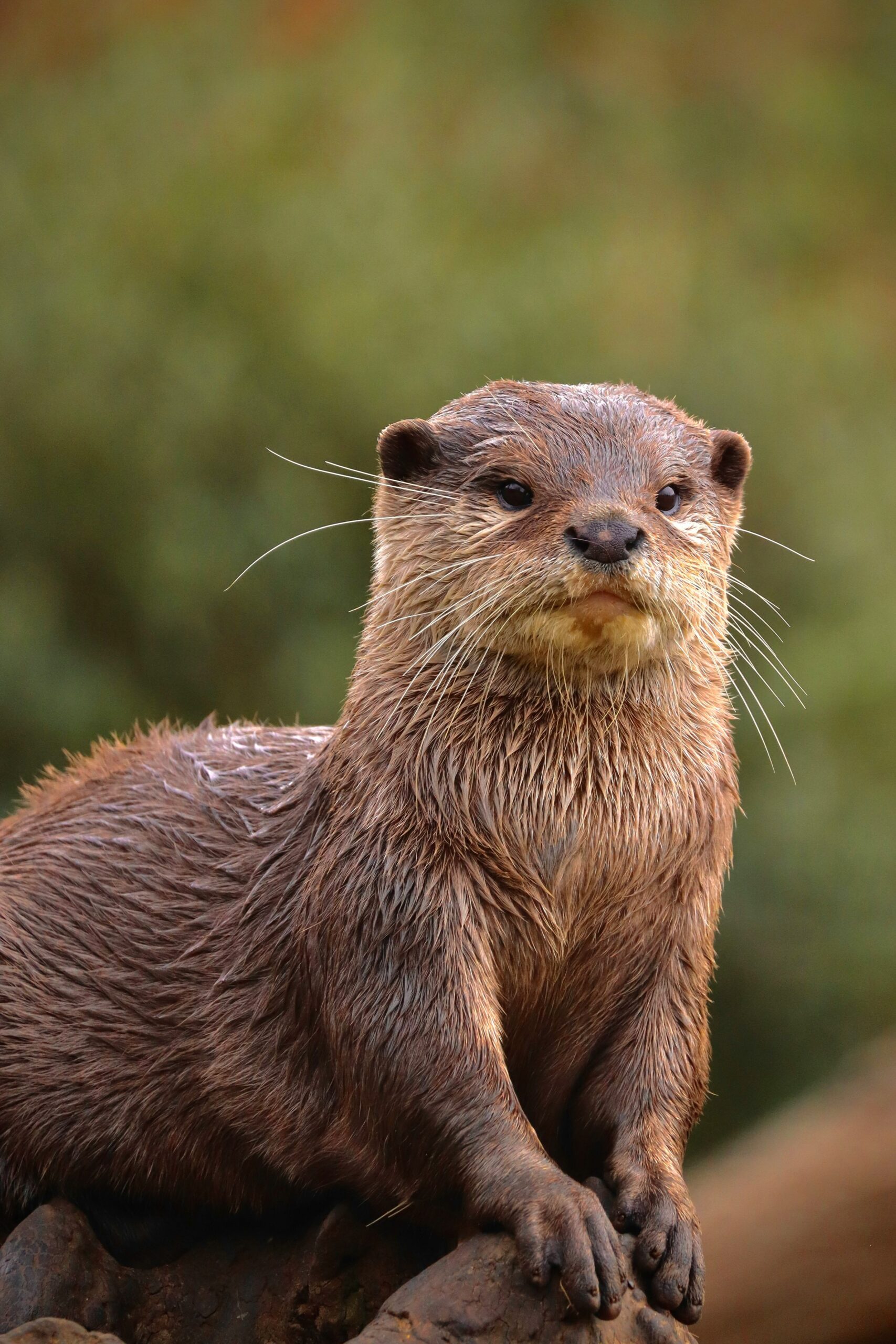
4. Otters
Why plan a trip to see otters? – Otters are one of the UK’s most rewarding wildlife sightings because they ask for patience, quiet watching and a little luck, which makes a glimpse of one hunting along the water feel unforgettable.
The best places to see otters – The Isle of Mull is one of the UK’s classic places to look for otters, especially along sea lochs and sheltered shorelines, while Shetland, parts of the west coast of Scotland and the Norfolk Broads can also produce unforgettable sightings.
The best time to see otters – Otters can be seen at any time of year, but winter and early spring are especially good because vegetation is lower, daylight is softer, and coastal otters may be active outside the deepest darkness.
5. Scottish Highland wildlife
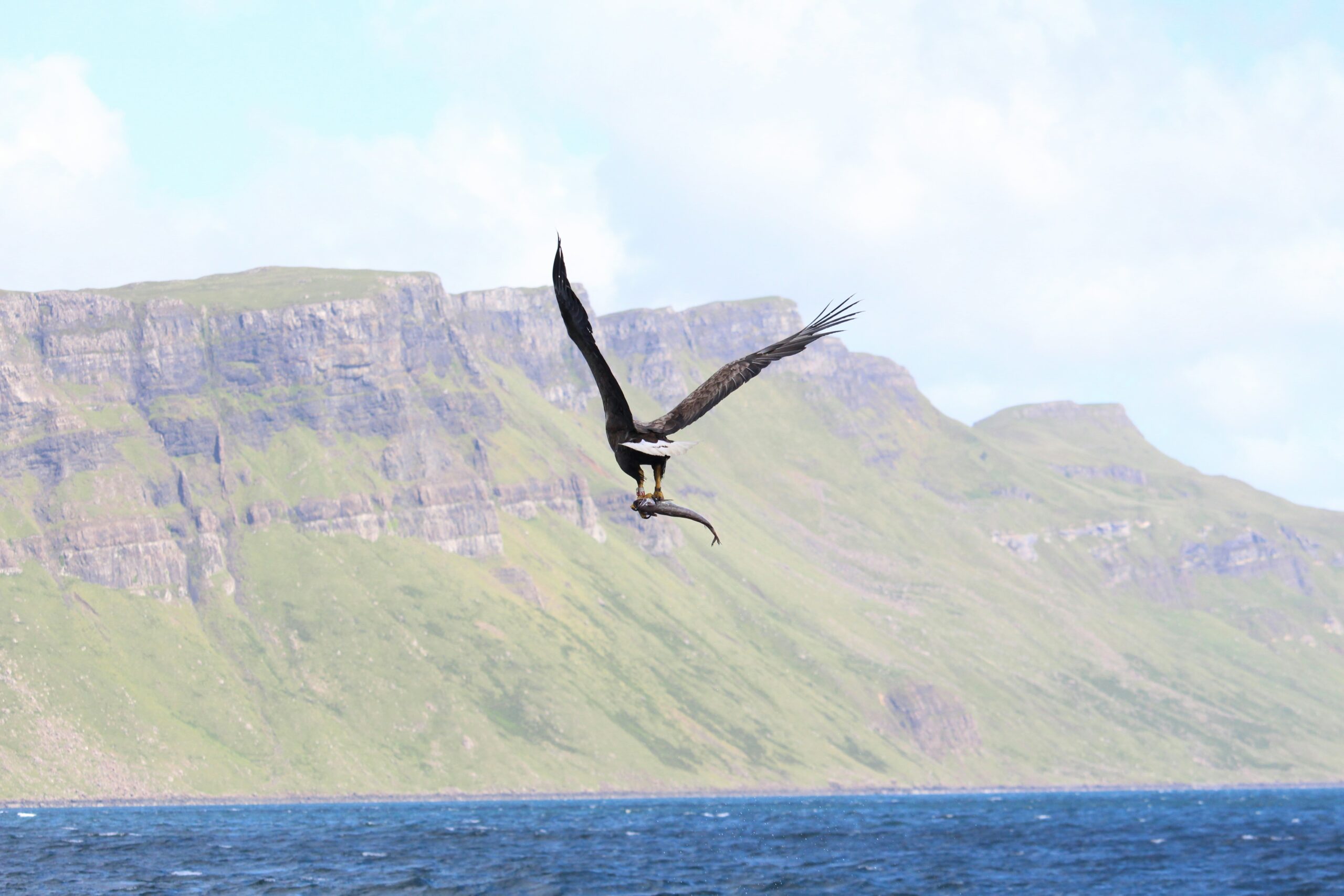
Why plan a trip to see Scottish Highland wildlife? – The Scottish Highlands are less about one single species and more about a complete wilderness experience, with the chance to see red deer, golden eagles, pine martens and specialist birds in dramatic mountain and forest landscapes.
The best places to see Scottish Highland wildlife – The Cairngorms and the Isle of Mull are all strong choices, with a good day bringing red deer on the hills, golden eagles over ridges, pine martens at dusk and wildlife-rich ancient pine forest. Mull Wildlife Tours do a varied range of expert led tours – our guide was able to adapt our tour to see the wildlife that was top of our list.
The best time to see Scottish Highland wildlife – Spring is superb for breeding birds and longer days, while autumn adds rutting deer and dramatic colours; for shy species, a guided dawn or dusk wildlife walk or boat trip gives you the best chance.
The Hebridean Whale and Dolphin Trust run this short guided wildlife coastal walk from Tobermory on the Isle of Mull:
6. Dolphins and whales
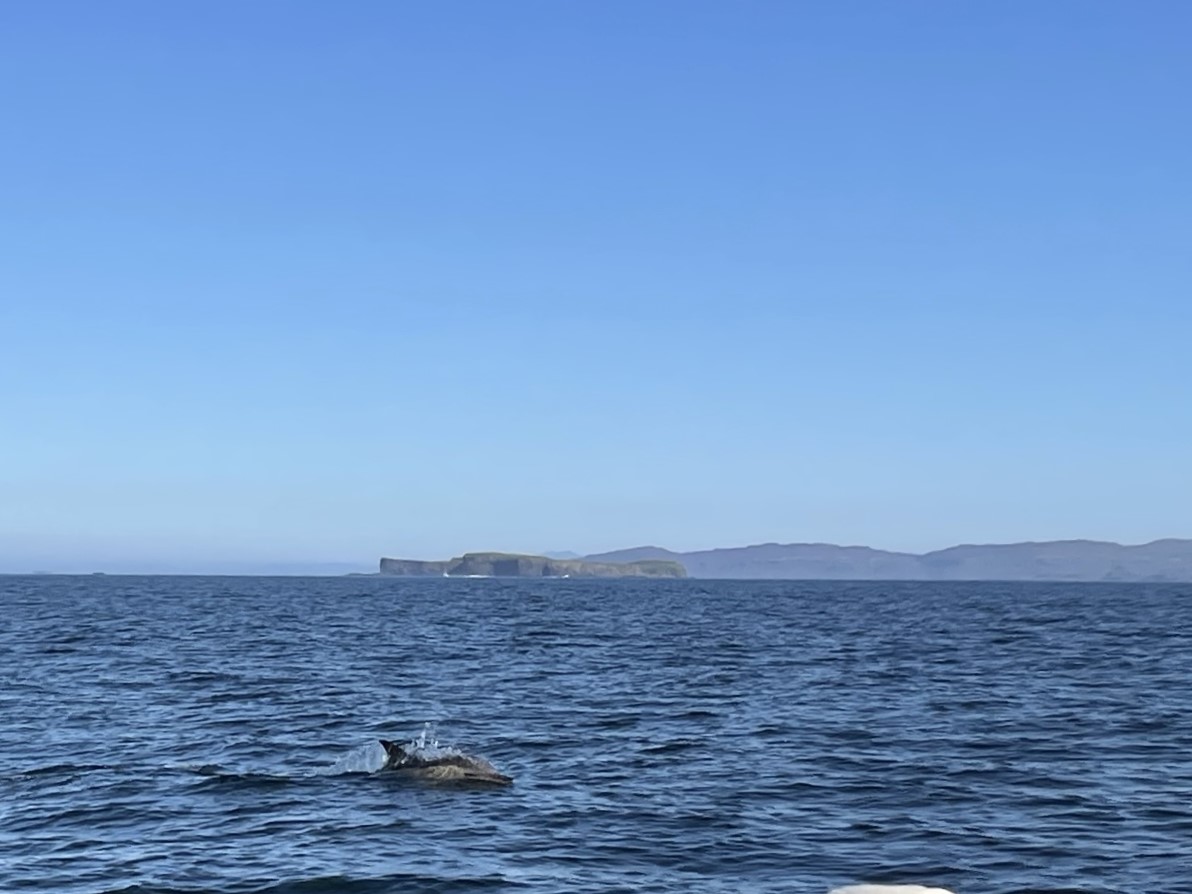
Why plan a dolphin spotting trip? – Boat trips to see UK marine wildlife can offer the opportunity to watch dolphins bow-riding, porpoises surfacing and minke whales appearing in some of the country’s richest coastal waters. We are even honoured to have visiting Orca’s from time to time.
The best places to see dolphins and whales – Cardigan Bay in Wales and the Moray Firth in Scotland are the UK’s most famous sites for dolphins as they are home to the UK’s two resident groups of bottlenose dolphins. Boat trips are available but it’s also possible to see dolphins from the land with the best places being New Quay in Cardigan Bay and Chanonry Point in the Moray Firth. The waters around Cornwall and the Hebrides can produce minke whales, porpoises and occasional larger surprises.
The best time to see dolphins and whales – The best season is generally June to September, when sea conditions are more favourable and boat trips run most frequently; choose responsible operators and bring binoculars for the best experience.
If you fancy combining some wider sightseeing and dolphin watching in the Moray Firth then consider this tour from Inverness:
7. Seabird colonies
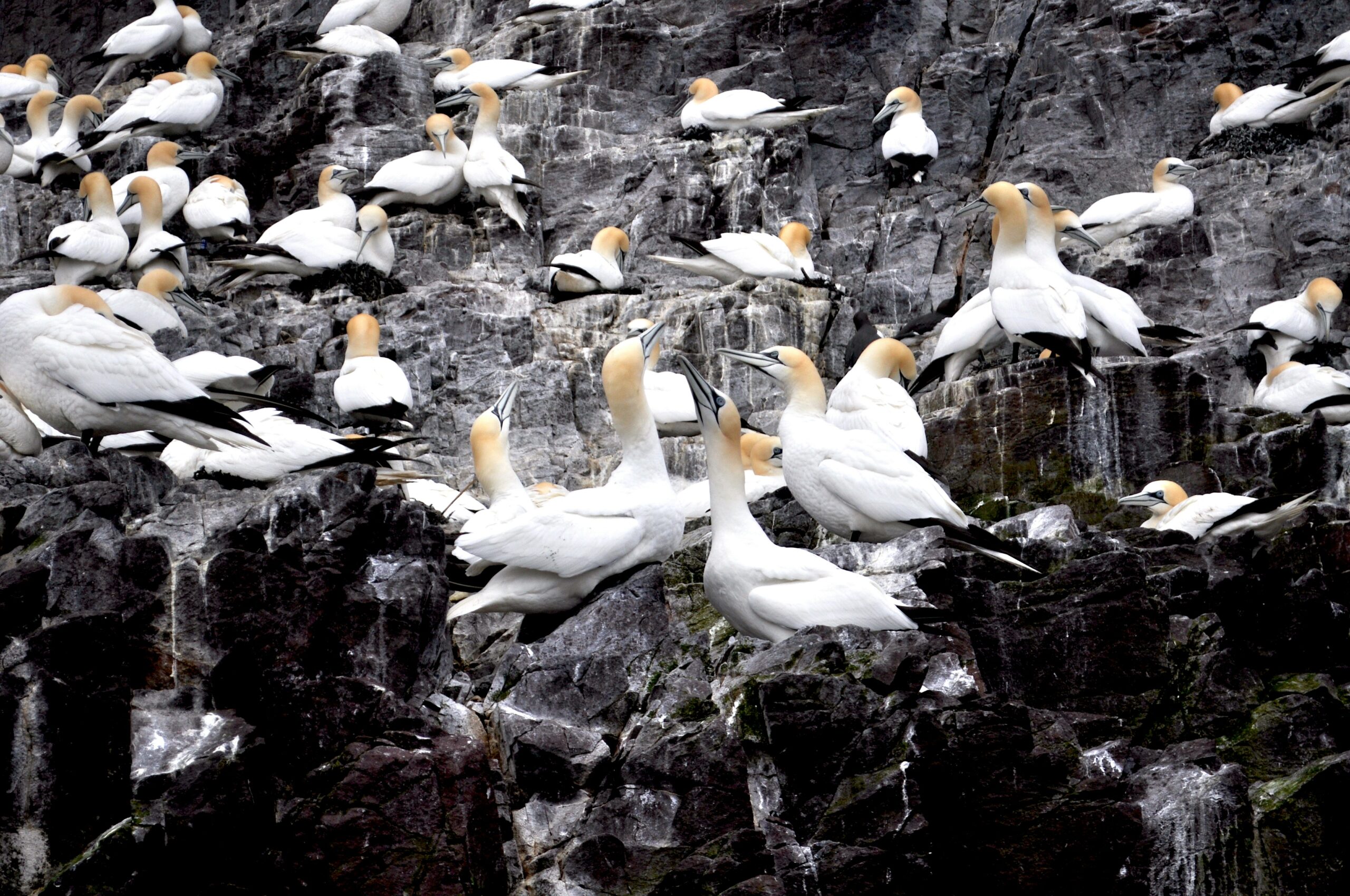
Why plan a trip to see one of the UK's seabird colonies? – Few UK wildlife spectacles match a seabird colony in full swing, when cliffs are packed with gannets, guillemots, razorbills, kittiwakes and puffins calling, nesting and wheeling above the sea.
The best places to see seabird colonies – Bempton Cliffs in Yorkshire is famous for dramatic gannet and auk colonies which are visible from clifftop paths and nearby boat trips, while Skomer in Pembrokeshire, Bass Rock, Shetland and Orkney offer sweeping sea cliffs and island colonies with a wilder edge.
The best time to see seabird colonies – Visit from April to July for the most intense breeding-season activity, with June often delivering the busiest cliffs and the most dramatic mix of noise, movement and sea views.
If you've made it all the way to Shetland then make the most of your trip with this tour of the seabird colonies from Lerwick:
8. Red kites
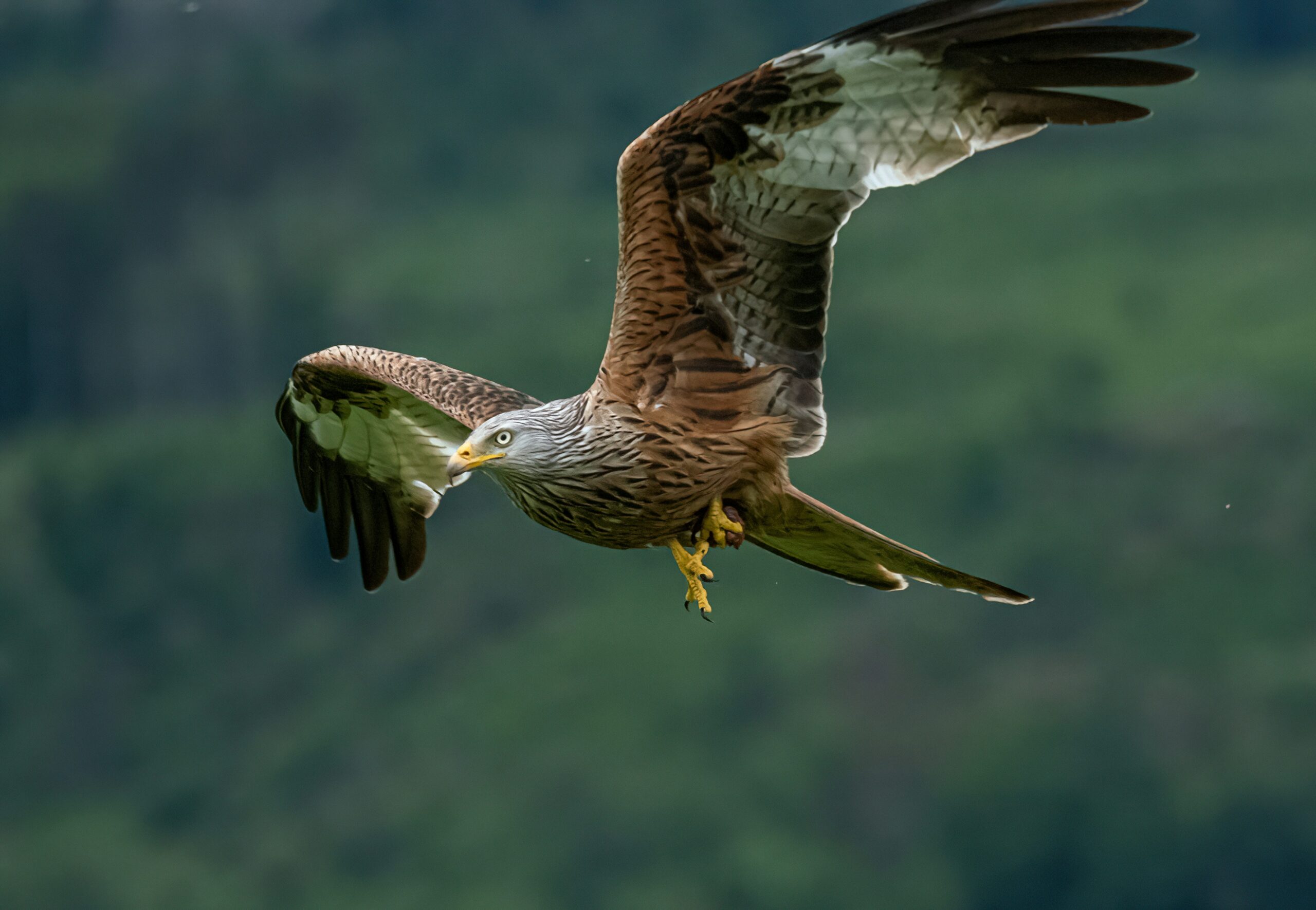
Why plan a trip to see Red Kites? – Red kites are one of Britain’s great conservation success stories, and seeing dozens of them circling on long, angled wings is an unforgettable UK wildlife experience. Feeding stations in Wales can bring in hundreds of birds which make for a spectacular sight for any visitor.
The best places to see Red Kites – Gigrin Farm in mid Wales and Bwlch Nant yr Arian near Aberystwyth are famous feeding stations, while the Chilterns offer easy chances to see red kites soaring over villages and valleys.
The best time to see Red Kites – Red kites are visible year-round, but winter feeding sessions can be especially dramatic because birds gather in larger numbers and the low light shows off their rusty plumage and forked tails.
9. Great bustards
Why plan a trip to see Great Bustards? – The great bustard is one of the most extraordinary birds connected with the British landscape: huge, rare (one UK location) and unmistakably imposing on open grassland.
The best places to see Great Bustards – Salisbury Plain in Wiltshire is the place to go, where reintroduction work has helped return this remarkable species to part of its former range. Access to Salisbury Plain is controlled and so you should use organised visits to hides by the Great Bustard Group.
The best time to see Great Bustards – Spring and early summer are the most exciting seasons, particularly from April to June, when males may display on the open plain.
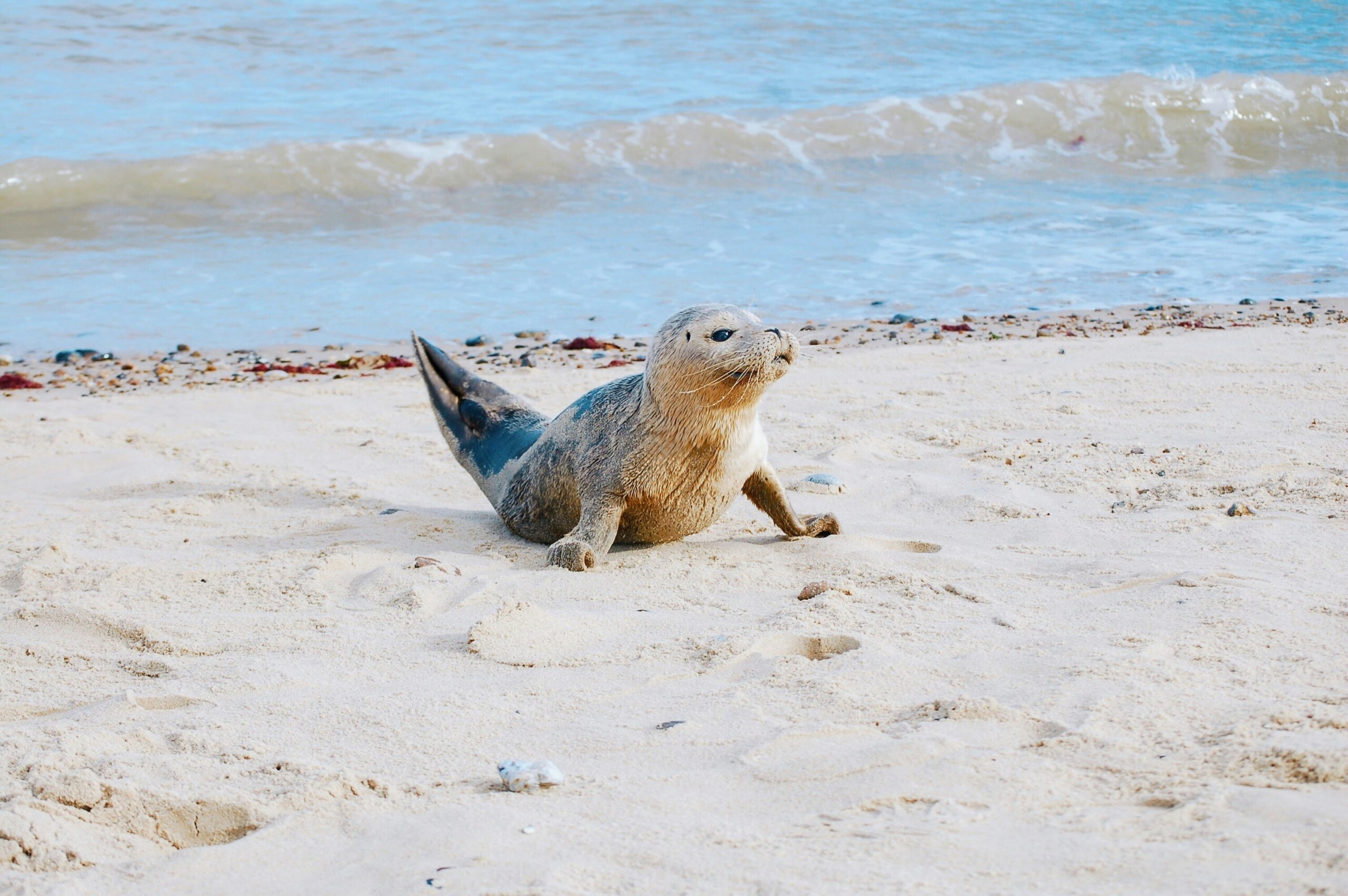
10. Grey seals
Why plan a trip to see Grey Seals – Grey seals are one of the UK’s most iconic coastal wildlife encounters, especially when colonies gather on beaches and sandbanks during the pupping season.
The best places to see Grey Seals – Blakeney Point in Norfolk is the UK’s largest grey seal colony, while Donna Nook in Lincolnshire and the Farne Islands in Northumberland are also among the UK’s best-known seal-watching sites, with boat trips and managed viewing areas helping visitors watch without disturbing the animals.
The best time to see Grey Seals – Autumn and winter are the standout seasons, especially November to January, when pups are born at several colonies and beaches can be dotted with white-coated young seals. However, there are often restrictions in place to stop visitors accessing seal colonies on foot during pupping season and so be sure to follow signs, stick to specified viewing areas and use organised tours where possible.
Combine a seal watching boat trip to Blakeney Point with a tour of other special places on the North Norfolk coast in this tour from Cambridge:
This highly rated trip to the Farne Islands will take you to one of the UK's best-known seal watching sites: